
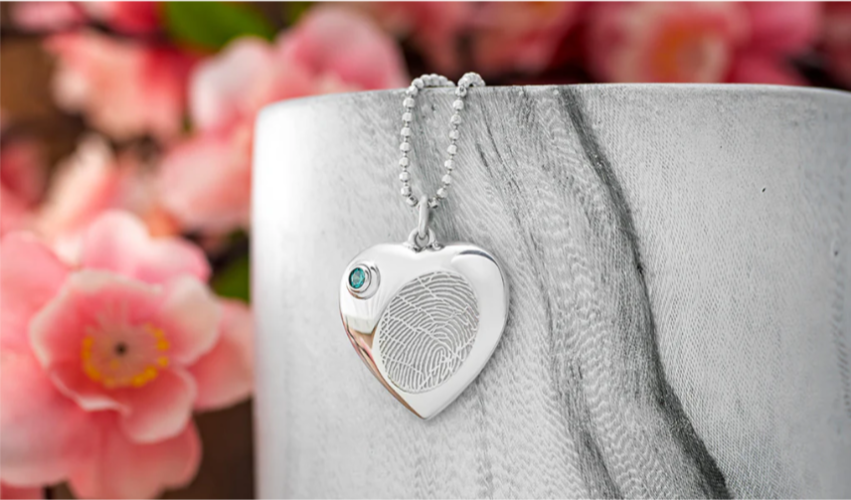
As cremation continues to grow in popularity, more families are exploring meaningful ways to honor and remember loved ones. One of the most popular memorial options today is cremation jewelry, a unique and personal keepsake designed to help people feel connected to someone they have lost.
Cremation jewelry, also known as memorial jewelry, remembrance jewelry, or funeral jewelry, allows individuals to keep a cherished memory close at all times. Available in a wide variety of styles, materials, sizes, and price ranges, these pieces can be customized to reflect personal preferences and commemorate a loved one in a special way.
Many cremation jewelry designs are created to hold a small amount of cremated remains, functioning similarly to a locket or keepsake container. Others can be used to preserve meaningful mementos such as memorial flowers, burial soil, sand from a favorite location, photographs, or a lock of hair. Some artisans even incorporate cremated remains directly into the jewelry itself, creating a truly one-of-a-kind tribute.
History
The tradition of honoring loved ones through jewelry dates back centuries. Memorial jewelry has long served as a way to remember those who have passed away while keeping their memory close to the heart.
During the 17th and 18th centuries, mourning jewelry became increasingly popular and was often worn as a symbol of remembrance and social standing. Rings and other pieces were commonly engraved with the name of the deceased along with important dates, creating lasting keepsakes for family members and close friends.
The practice continued into later centuries, particularly through the creation of jewelry made from a loved one’s hair. Families preserved locks of hair as treasured mementos, incorporating them into brooches, pendants, bracelets, and other decorative items. This form of memorial art became a meaningful way to maintain a tangible connection to those who had passed away.
Over time, remembrance jewelry evolved into the cremation jewelry options available today, blending tradition with modern craftsmanship and personalization.
Legal Issues
While cremation jewelry offers comfort and remembrance for many families, there can sometimes be legal considerations regarding the use of cremated remains. Disagreements among family members may arise concerning the handling, distribution, or placement of cremains, including their inclusion in memorial jewelry.
When such disputes occur, applicable laws and estate planning documents typically determine who has the authority to make decisions regarding final arrangements. These legal guidelines become especially important when an individual passes away without leaving clear instructions or a valid will.
For many people, cremation jewelry provides a meaningful and lasting way to celebrate the life of a loved one. Those who prefer not to carry cremated remains can still use memorial jewelry to preserve other treasured keepsakes, such as photographs, flowers, sand from a favorite beach, soil from a meaningful location, or a lock of hair. These personal mementos can help keep cherished memories alive while providing comfort and a sense of connection for years to come.