
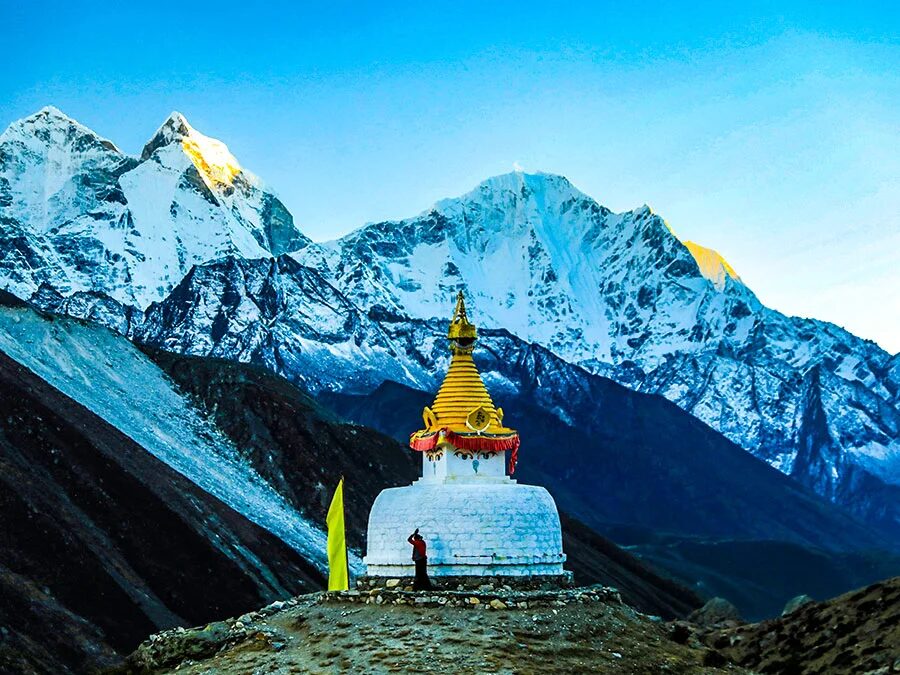
The Everest Base Camp Trek wraps the beauty of nature, spirituality, and adventure. Thus, it is one of the most rewarding treks on earth. Each stop along the EBC Trek draws tourists nearer to the mythic summit, as well as splendid panoramic views of Himalayan terrain. The valleys with little villages, rivers, and mountains—if you reach this option, it’s even better than the end of your journey. The Everest region is a definitive path of numerous trekkers throughout the world. This top Nepal trekking route promises every 4X component of adventure and exploration; you won’t regret a step.
So is it just a matter of calling an outdoor shop and then going climbing a mountain?
For most trekkers, trekking to Everest Base Camp is a serious challenge. The EBC Trek is as much a test for your mind and body, requiring some mental endurance, perseverance, and experience. It is not an easy trek by any means; however, those who do it are rewarded as they hike over rocks and in high-altitude conditions. To be at the base of the highest mountain on earth, this is special. It turns what can be a vacation experience into an opportunity to make your life better. This Himalayan journey (a sort of pilgrimage) is bigger than the trek and, in some ways, higher than expectations and actually results in deep-seated self-belief.
Explore Sherpa Lifestyles and Himalayan Cultures
As the Everest Base Camp Trek not only provides you with certain viewpoints of the topmost mountains in the world, there is something worth embarking on beyond just travel—it also allows you to get an honest perspective into Sherpa culture. The trekking trail leads through antiquated villages where trekkers can see and examine neighborhood living styles, culture, and traditions alongside the Himalayas.
They were decorated with prayer flags, spiritual landmarks of ancient monasteries. Those who travel have always known of the deep and abiding love between local people and mountains. And the highlight of this unforgettable EBC trek is our always smiling, very nice, and hopeful Sherpa. Cultural sensing is one of the key factors that attract adventure seekers from all over Nepal for trekking.
Basking In The Tranquil Magic Of The Everest Region
The Everest region is famous for its positive mountain spirit and beautiful scenery in itself anyway. Some Landscapes You Video Is: EBC Trek: Forests, Rivers, Suspension Bridges, Alpine Meadows, and Glaciers. Sagarmatha goes half magic, one foot planted in prose (each section could work as a stand-alone story) and the other swinging wildly from poetry to make things easy throughout. Everest Base Camp Trek: No other trekking places in Nepal have occupied trekkers’ minds with untouched natural attractions and never-ending mountain geography as much as Everest Base Camp does.
EBC Trek That Will Stay in Your Heart
Meet Trekkers, Guides, and Localities. One of the greatest things is that you can do the Everest Base Camp Trek. The hardest moments on the trail are almost always what makes us come together and create memories that go way deeper than another hundred peaks. The others swoop in from all corners of the globe, but just like you arrive for one reason and one reason only: to trek to Everest Base Camp. You take a trip with guides and experts who explain the path, culture, and safety. These links are your own personal touch for the EBC Trek. A) Strong friendships and stories forged along every Nepal trek.
To Get Away From It All
Why is every step of the Everest Base Camp Trek a step worth making? You are taken away from an over-busy life and back in nature. You are far away in a secluded mountainous area from the rapid world of today. In an abundance of plains, valleys, and rivers, you see the sun emerge over some of the most beautiful ranges, all snow-capped mountain types. EBC Trek tries hard enough to guide passengers to cherish each level of the pathways. It is a sanctuary for introspection—more than the lushest, most decadent locales on earth—because it radiates stillness.
Challenge and reward of Trekking
It is challenging, but that makes it all the more rewarding. Everest Base Camp Trek: High-altitude walking is a developing notion with exercises providing previous preparation, work, and diminishing injuries. It’s this challenge that physically pushes trekkers while bringing about a more profound sense of gratification. All those uphill bits… mountain passes and long walking days remind you of the power of self-will. Your patience and perseverance will not go unrewarded when you complete the EBC Trek. This trek is what makes getting to Everest Base Camp more of an accomplishment and a story than just going for the sake of it.
Creating Timeless Memories
The brave hearts involved in the adventurous journey of the Everest Base Camp Trek create memories that remain one of the major reasons why travelers hesitate to leave this thrilling adventure. All these things tell the story of the mountain sunrises at every bend, or some of them, with your fellow trekkers. Where photography is the route, it leaves not only traces of beauty. The EBC trek as an experience brings back stories for the years ahead that travelers will be sharing. Memories that are, at some point in time, part of the trekking experience of base camp or taking rest on the trail—all parts of Nepal trekking are woven into good memories.
Everest Base Camp Trek – The Dream Journey Of Your Life
The Everest Base Camp Trek, to date, still stands as one of the Everest treks in the world, as it involves adventure, culture, nature, and a journey to self all in one awesome trek. Now and then, to be most accurate, you will travel to Everest territory; it is a timidly new thing with each advance from here on out, with some epic panoramas and rare recollections.
It is a strenuous hike, but the effort is worth it! Standing under the shadow of the tallest mountain on earth, or learning about Himalayan traditions, offers you memories that last way more than a gander at a peak. The EBC Trek is still arguing the case that you should walk every step in Nepal if you’re looking for a trek.