
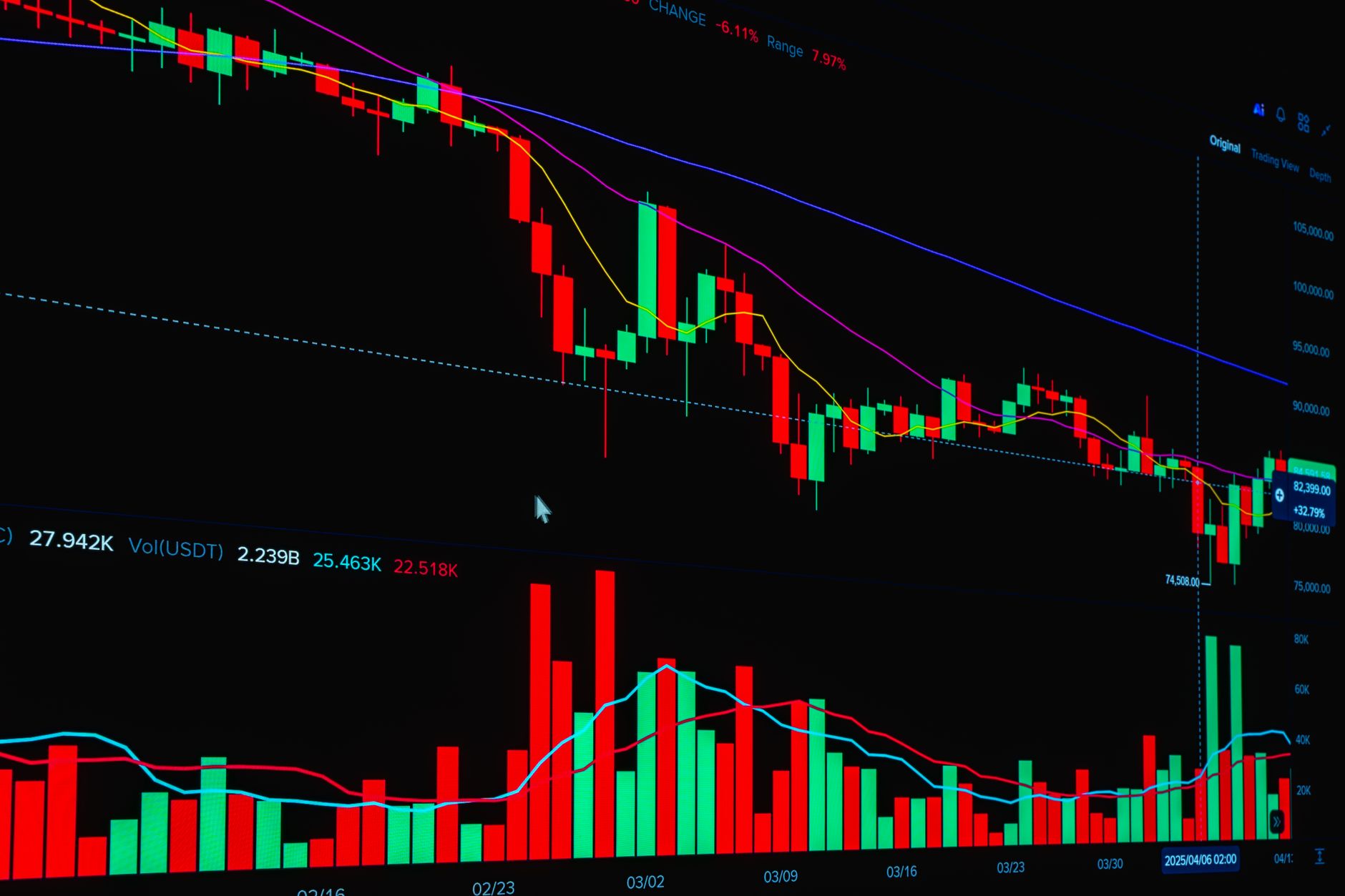
Commodity volatility impact is a crucial factor in today’s global retail landscape. Understanding this can help businesses navigate the complexities of expansion in India.
Understanding Commodity Volatility
Commodity volatility has emerged as a significant factor influencing the economics of global retail expansion, particularly in markets like India. Retailers are increasingly recognizing how fluctuations in prices of essential commodities can impact their operational costs and pricing strategies.
Understanding the nuances of commodity volatility is crucial for businesses aiming to expand into new territories. The unpredictability in supply and demand can lead to:
- Increased Costs: Rising prices of raw materials can elevate overall expenses.
- Pricing Strategies: Retailers may need to adjust prices frequently to maintain margins.
- Supply Chain Disruptions: Volatility can affect the availability of products, causing delays.
As companies navigate these challenges, recognizing the impact of commodity volatility will be essential for successful retail strategies in emerging markets.
The Current State of Global Retail
The global retail landscape is experiencing significant shifts, largely influenced by economic factors and changing consumer behaviors. As retailers navigate this dynamic environment, the impact of commodity volatility has become increasingly apparent. Fluctuating prices for essential goods are forcing businesses to adapt their strategies to maintain profitability.
Current trends indicate that retailers must consider several key factors:
- Supply Chain Disruptions: Unexpected changes in commodity prices can lead to increased costs and delays.
- Consumer Demand: Fluctuations can affect consumers’ purchasing decisions, impacting overall sales.
- Market Adaptability: Retailers are now focusing on flexible business models to counteract volatility.
In India, these challenges are particularly pronounced as retailers strive to expand in a rapidly evolving market.
Economic Challenges in India
India’s economic landscape faces significant challenges as commodity volatility impacts various sectors, especially retail. Fluctuations in prices of essential goods can directly influence consumer purchasing power and retail margins. This uncertainty forces retailers to reconsider their expansion strategies in the country.
Some of the key economic challenges include:
- Inflationary Pressures: Rising commodity prices can lead to increased costs of goods sold, impacting profitability.
- Supply Chain Disruptions: Volatile prices can create unpredictability in supply chains, making inventory management complex.
- Consumer Behavior Changes: As prices rise, consumers may shift their spending habits, prioritizing essentials over luxury items.
Retailers must navigate these challenges carefully, as the impact of commodity volatility can significantly alter the success of their expansion efforts in India.
Strategies for Retail Expansion
As retailers navigate the complex landscape of commodity volatility impact, several strategies can help ensure successful expansion. First, diversifying suppliers is crucial, allowing businesses to mitigate risks associated with price fluctuations. By sourcing from multiple regions, retailers can better absorb shocks caused by commodity market instability.
Second, implementing flexible pricing strategies enables retailers to adjust prices in response to changing costs, ensuring competitiveness while protecting margins. Additionally, investing in technology can provide valuable insights into market trends, helping retailers anticipate shifts in commodity pricing.
Finally, building strong relationships with local stakeholders can foster resilience, allowing retailers to adapt more rapidly to economic changes. By adopting these strategies, businesses can not only weather the storms of commodity volatility but also position themselves for sustainable growth in the evolving retail landscape.
Case Studies of Successful Brands
Several brands have successfully navigated the challenges posed by commodity volatility impact, showcasing innovative strategies for retail expansion.
One notable example is Brand A, which adapted its supply chain to remain agile in the face of fluctuating prices. By leveraging real-time data analytics, they minimized waste and optimized inventory, allowing them to maintain competitive pricing.
Another success story is Brand B, which focused on sustainable sourcing. This approach not only mitigated the risks associated with commodity volatility but also appealed to environmentally conscious consumers, enhancing brand loyalty.
Furthermore, Brand C invested in partnerships with local suppliers to reduce dependency on global markets, effectively buffering against price swings. These case studies illustrate that understanding and responding to commodity volatility can lead to significant advantages in retail expansion.
Future Trends in Retail Economics
As retailers navigate the complexities of global expansion, the commodity volatility impact on pricing strategies and supply chains cannot be overlooked. Future trends indicate that companies will increasingly leverage technology to predict and adapt to price fluctuations in commodities. This proactive approach will enable retailers to manage costs more effectively and maintain competitive pricing.
Additionally, sustainability will play a pivotal role in shaping retail strategies. Consumers are becoming more environmentally conscious, prompting brands to source sustainable materials and reduce waste. This shift may lead to higher initial costs but can enhance brand loyalty and customer retention in the long run.
In conclusion, adapting to the dynamics of commodity markets will be essential for retailers aiming to thrive in an unpredictable economic landscape.
Understanding the commodity volatility impact is crucial for retailers looking to navigate market fluctuations effectively. By leveraging smart insights into the commodity volatility impact, businesses can make informed decisions that support sustainable growth during uncertain times.
Photo by Rafael Minguet Delgado on Pexels
References
You might also like
- Building Strong Intellectual Property Protection Through Patent Filing
- iPhone Pre-Orders India: Best Deals for Early Buyers
- Umiya Mobile New Stores: Best Proven Growth in Fashion